


The process behind getting the best out of our vines
While the vines themselves rest during this time of the year, the vineyard is still well and truly alive. The passing of the Winter Solstice marks the commencement of pruning season here at Tinja – a crucial step in our vineyard care that helps to shape next seasons harvest. Not as simple as just trimming growth; pruning involves many more steps – all included to ensure we maintain healthy and fruitful vines both now and into the future.
Biodynamic Timing
During Autumn as our vines prepare themselves for their winter dormancy, the sap descends into the roots to store energy in preparation for the next seasons’ bud burst. The Winter Solstice – the lunar marker for mid-winter – signals their turning point. After the solstice, the days become longer and the earth warms; triggering the sap to begin flowing the opposite direction – rising once more. We commence pruning from this very point, so that fungal diseases such as Esca and Eutypa from within the wood are pushed out of the vines through their pruning wounds, thanks to the rising sap.
Pruning Methods
Traditional Cane or Spur Pruning
Traditional Cane or Spur Pruning is the method that likely comes to mind when you think of a large, rolling vineyard – rows upon rows of vines trained to a trellis system – with the vine cordons (arms) grown on a wire to support maximum fruit production. During pruning, large cuts are made that are flush to the permanent parts to the vine, removing all unwanted growth from the previous season and only leaving the desired number of buds for optimum productivity.
As you enter Tinja, you will see this system employed on our Merlot Block on the right-hand side of our entryway – and throughout much of Mudgee as well. This method aims to produce significant yields, whilst being less involved initially and more economical, by opening up the ability for mechanical harvesting. Spur pruning also requires reworking over time, which causes large amounts of dead wood in the vine, resulting in the trunk needing to be cut and a new trunk established, usually around every 10 years.
Each time a cut is made in the pruning process, the vine is essentially damaged – with cuts causing tissue to die off back into the plant itself. This issue is further exacerbated in this method due to the cuts being flush to the vine. Eventually, this damage becomes so significant that the plant no longer has sustainable sap pathways, resulting in it no longer efficiently producing fruit.
While still a successful pruning method with regard to yield, it doesn’t allow the vines to ever reach a complex level of maturity. These methods aim for maximum production, whereas we are looking to employ a different approach on our Latin Quarter.


Guyot Pruning Method
With our new varieties in our Latin Quarter now a few years into their life, we are looking to traditional pruning methods to encourage our vines to establish themselves even deeper into the terrior. The Guyot pruning method takes into account the potential damage inflicted by pruning, and uses this to shape a stronger and more sustainable vine base. By carefully considering nodes and directions, we can help to shape the trunk of the vines to efficiently direct sap throughout the plant, for the duration of its life.
Coined by Dr. Jules Guyot in 1860; the method is now regarded as one of the best for foliage optimisation and maximising airflow in vine canopy. The story goes that Dr. Guyot – after a small stint in prison for his part in the July revolution in 1830 – set out on a winemaking journey rooted in his fascination with science. He purchased a property in France that was deemed unsuitable for winemaking due to its soil and terrain; and turned it into a fruitful vineyard that produced over 25,000 gallons of wine in just its seventh year – showing how changes to cultivation and management could overcome a lot.
The Guyot method does have its draw-backs, in that it is much more labor-intensive than the more traditional cane pruning – with each vine needing its own individual assessment and plan before any cuts are made. We also need to make a few trips into the vineyard during the growing season to manage and monitor the canopy; making necessary adjustments to ensure the best outcomes are achieved.
The Goblet
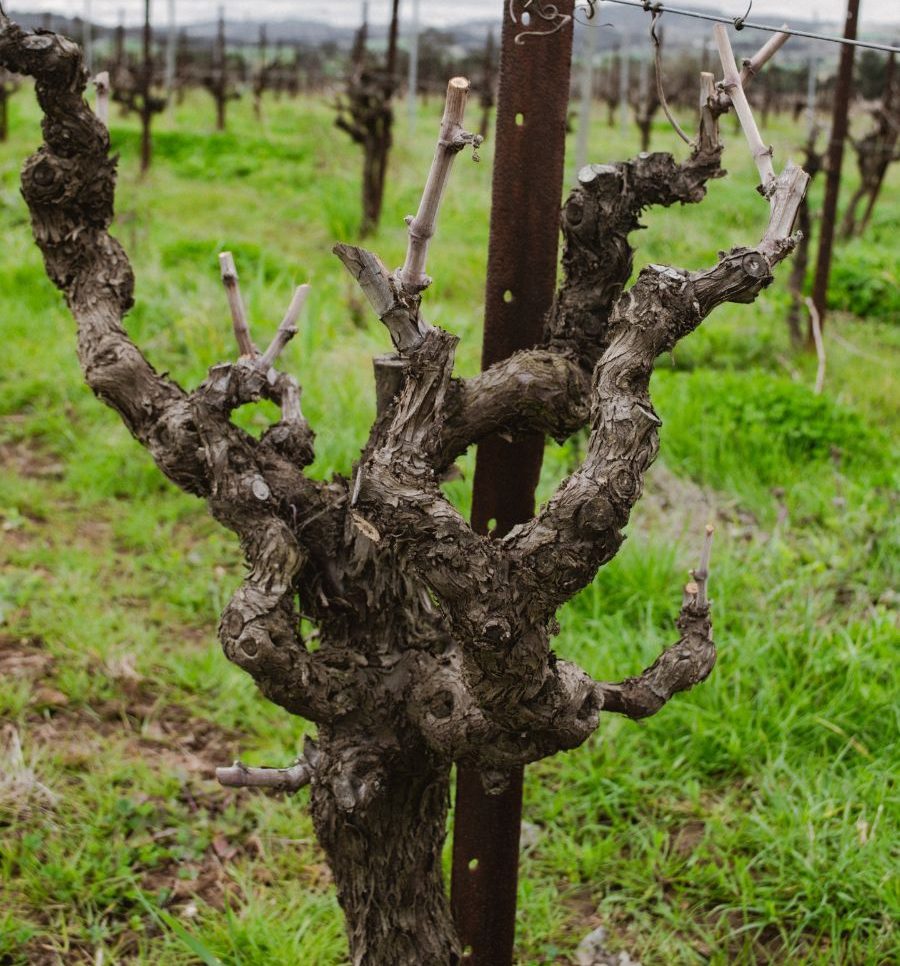
Perhaps yielding the most interesting result is the striking Goblet style that is commonplace across our vineyard – sported by our Zinfandel, Cabernet, Muscat and Shiraz. This ‘bush-style’ pruning method really allows for the growth characteristics of these vines to be truly expressed. Similar to the Guyot method in some ways, this pruning style takes into account buds and growth points to ensure that there isn’t large amounts of dead wood created.

Our Pruning Paste
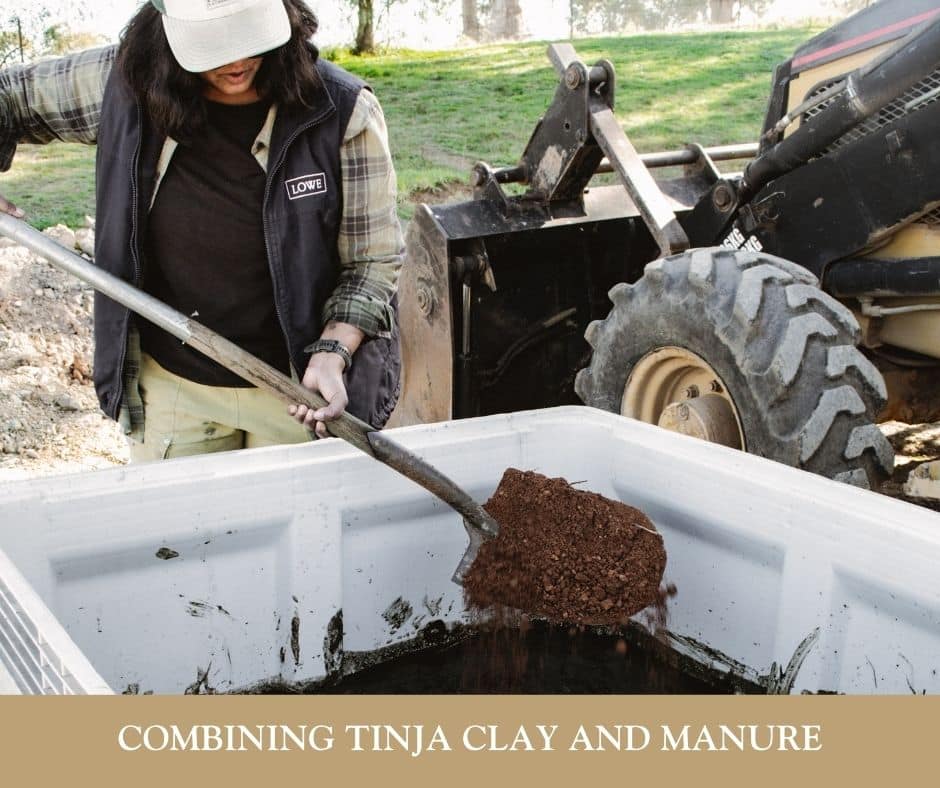

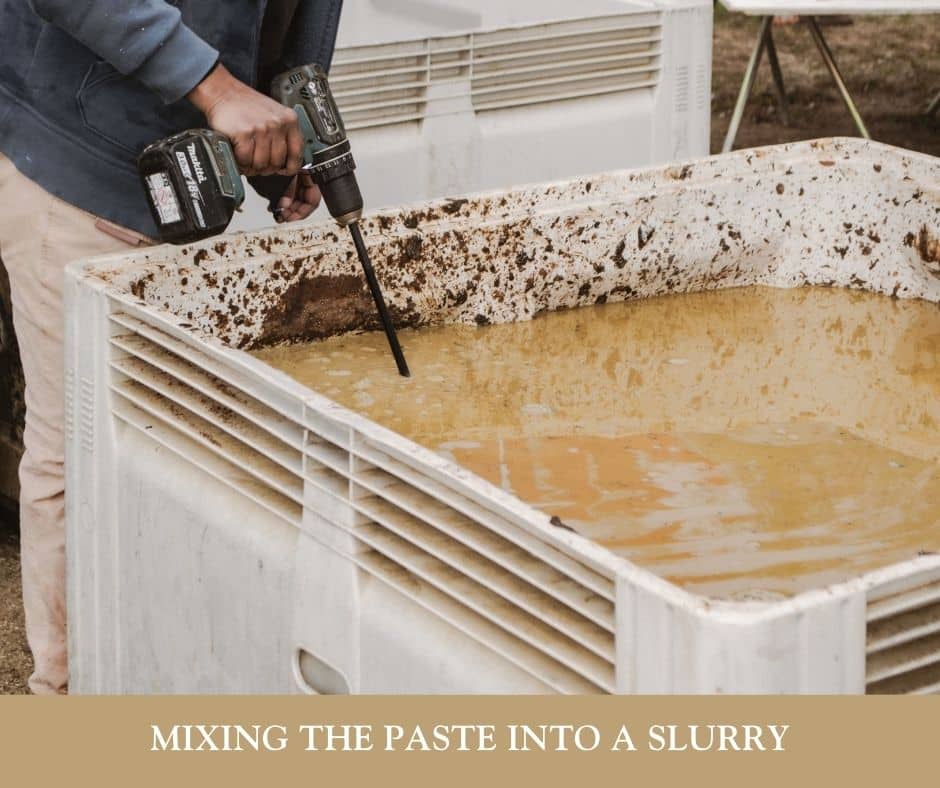
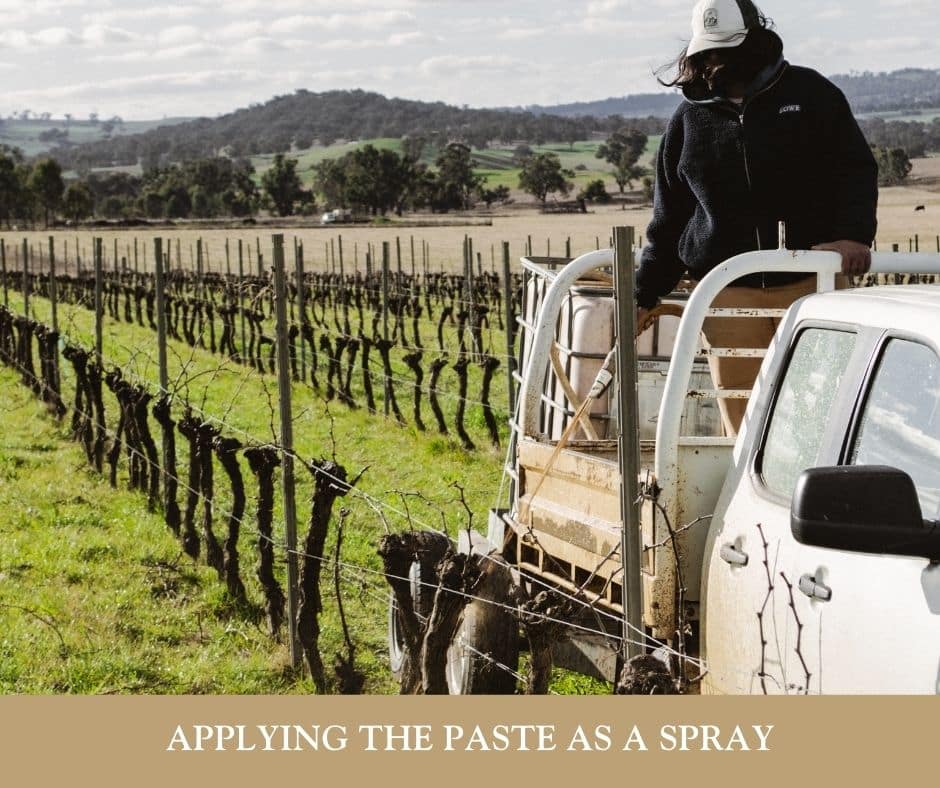
After the vines have been pruned, our Biodynamics Specialist, Kesh Mudaly, creates a pruning paste to apply to the vines – offering a myriad of benefits following the pruning process. The main objective of our pruning paste is to heal pruning wounds and seal lesions left when leaves fall. Additionally, the past will also nourish and protect bark and the cambium layer, bringing health and vitality to the vines.
Made of equal parts Tinja Cow Manure, Tinja Clay, and Diatomaceous Earth* – this is then mixed into a sprayable slurry solution, allowing for more efficient application over a larger area.
*Diatomaceous Earth is a naturally occurring, soft, siliceous sedimentary rock, consisting of the fossilised remains of hard-shelled micro-algae (diatoms). Used in a variety of commercial applications – from explosives to toothpaste – the Diatomaceous Earth in our pruning paste acts as an effective insecticide, especially useful in combatting slugs, snails and other pests.
Outcomes
Across Tinja, we are always looking for how to best support our vines to produce fruit that is of the highest quality for the wine that we make. As our biodynamic and organic farming processes continue to develop in-line with what the land here is telling us – so must many other parts of what we do. Our Latin Quarter presents as an exciting new chapter for our vineyard, and with its presence we are eager to employ a new management and care program with the aim of keeping the vines healthy and fruitful for many years to come.