
How we keep the pests at bay…
Pest control – something we’re all too familiar with in Australia. But when you remove the reliance on the usual band-aids of sprays and chemicals, how do you achieve biological pest control at scale on an organic and biodynamic farm? Well for this, like much of what we do, it’s a matter of scientific trial and error that our biodynamics viticulturist, Kesh Mudaly, takes personally.
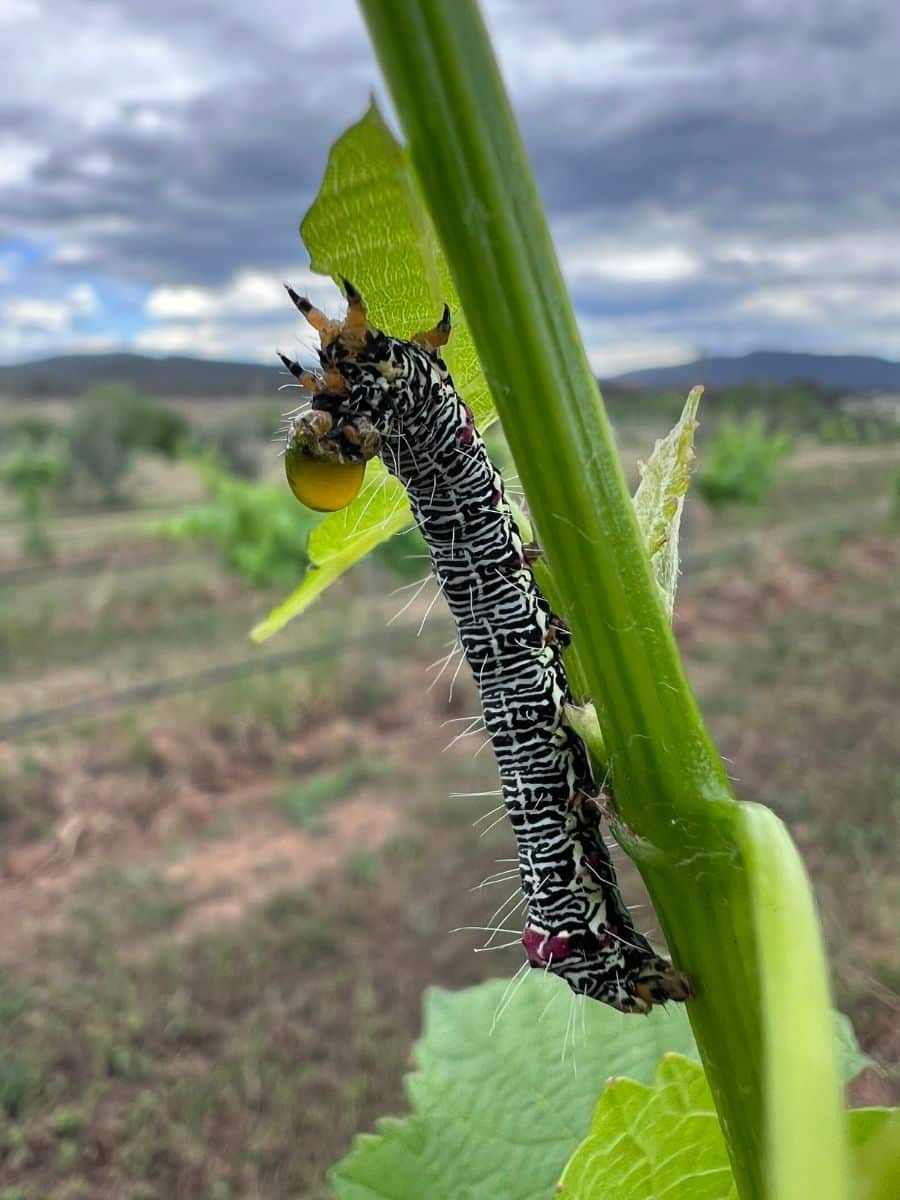
Caterpillars from the Grapevine Moth and the Hawk Moth can be the most destructive of pests left unchecked. In the past we have controlled these by using a product called DiPel – a bacterium, which is naturally occurring in soil and approved for use in organic farming. This is sprayed onto the leaves of the vines, and once consumed by the caterpillar, the bacterium gets to work by eating the caterpillar from the inside.
However, as we continually strive to reduce external inputs here on Tinja, our team has been exploring ways nature can help in their pest control activities. This is where biological pest control (biocontrol) comes into play.
Biological Control manages agricultural and garden pests by using living organisms as natural predators, instead of adding organic or synthetic pesticides.
Introducing the predators:
By providing habitat and food sources, we have been working to encourage predatory insect species to live on Tinja. This is mostly done by the work of our biodiversity corridors, where we grow plants that provide a nectar and pollen source, as well as a home for these predators live in.
Over the years we have continually increased biodiversity plantings in and around the vineyard blocks. These range from multi species cover crops planted in the midrows, to native plants such as those in the Biodynamic Garden.
And like all good permaculture practices, these plantings also provide a number of other benefits such as increasing soil health and growing the plants for our biodynamic preparations.
Letting them do the work:
Once the predators are there, we just let them do their thing. Depending on the type, these predatory insects either feed on other insects as part of their diet or parasitize them as part of their life cycle. Some of the species that frequent our vineyard and gardens are:
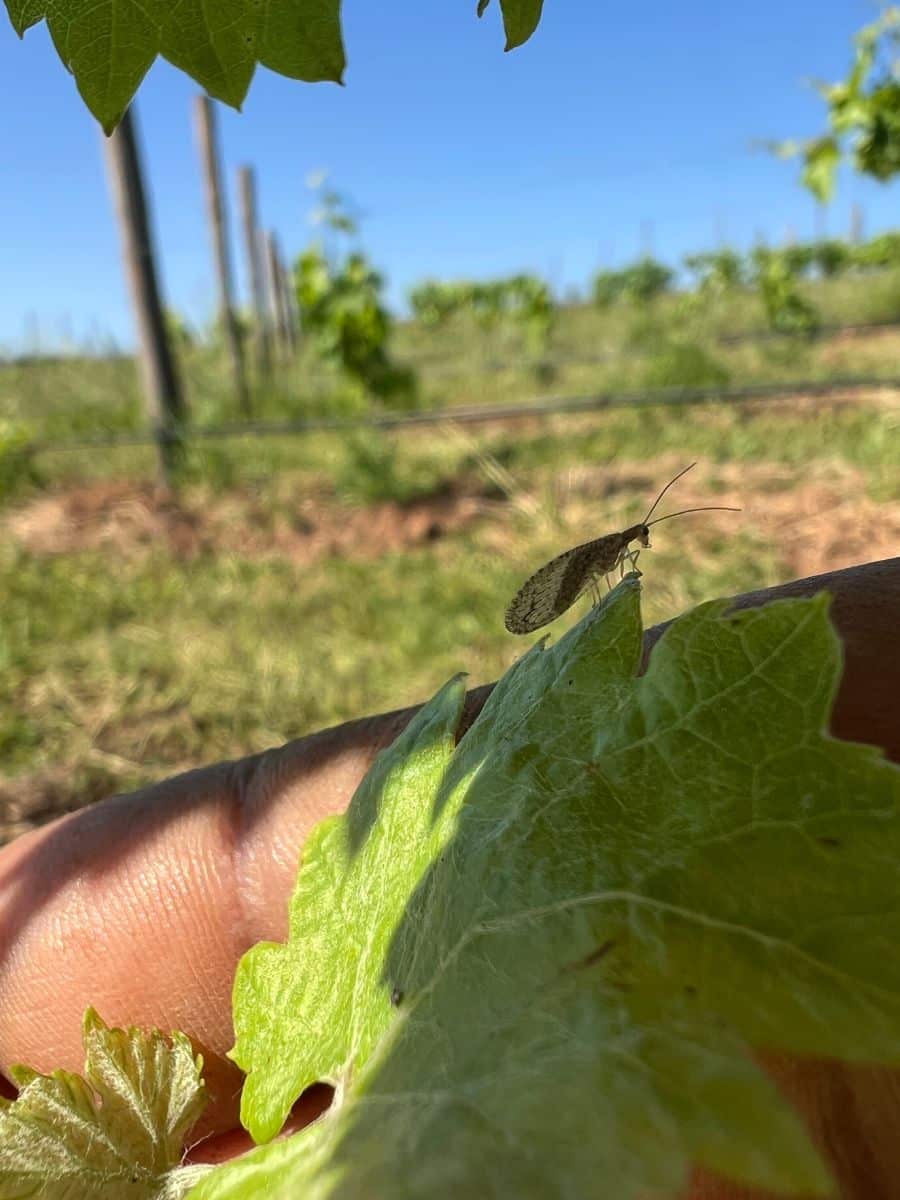
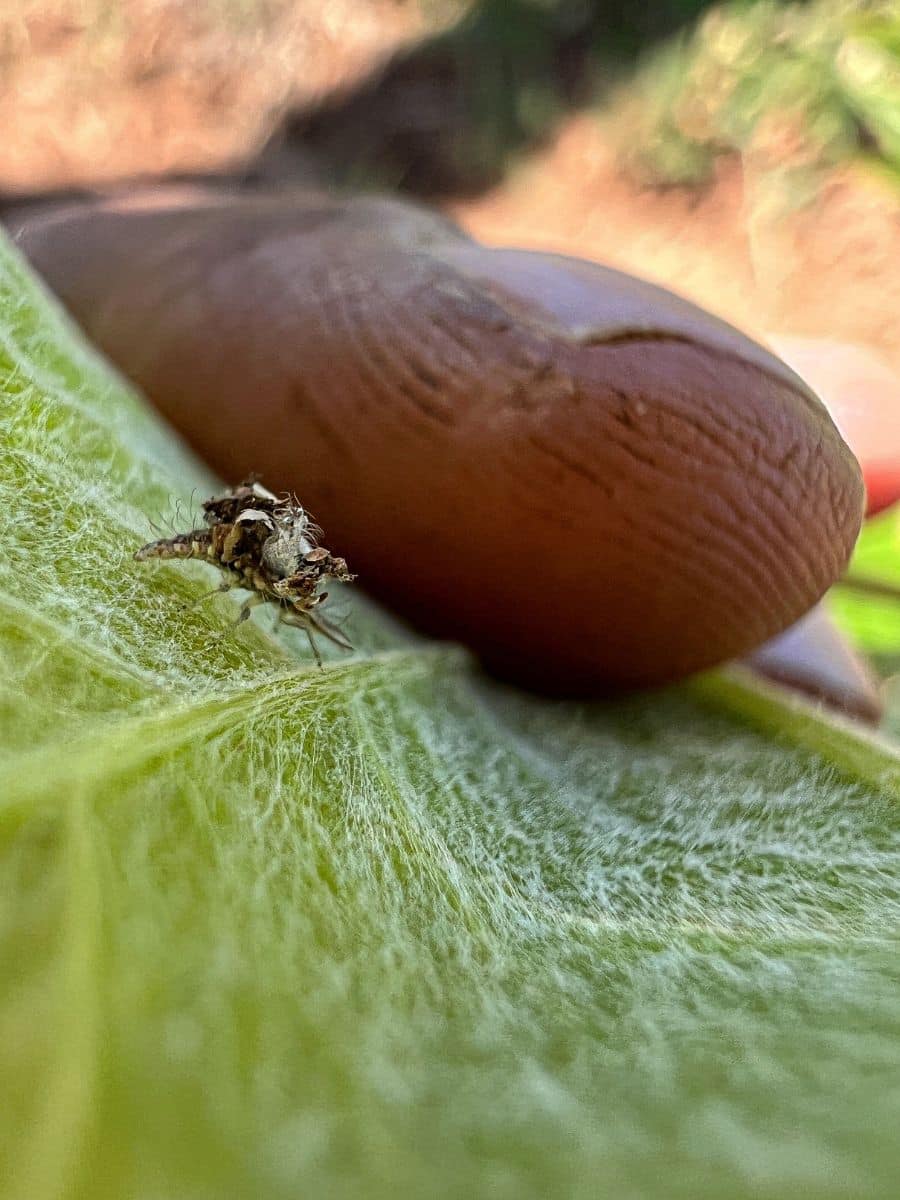
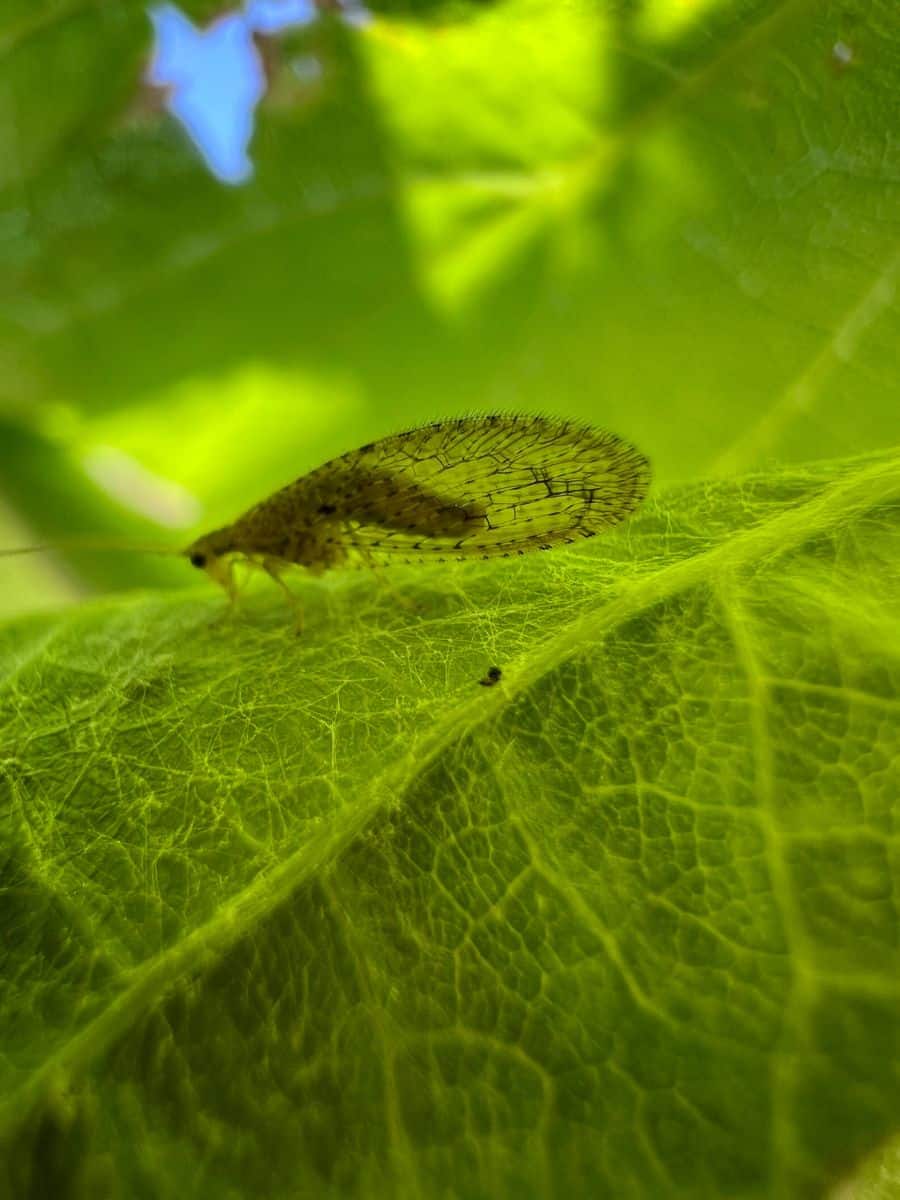
Lacewing (Green & Brown): while the adults mainly feed on nectar and pollen, the larvae are vicious predators, eating many small, soft-bodied insects & eggs such as aphids, thrips, mites, mealybugs, scale insects, moth eggs and tiny caterpillars.
Spiky Shieldbugs: the nymphs and adults eat a variety of pests, including caterpillars.
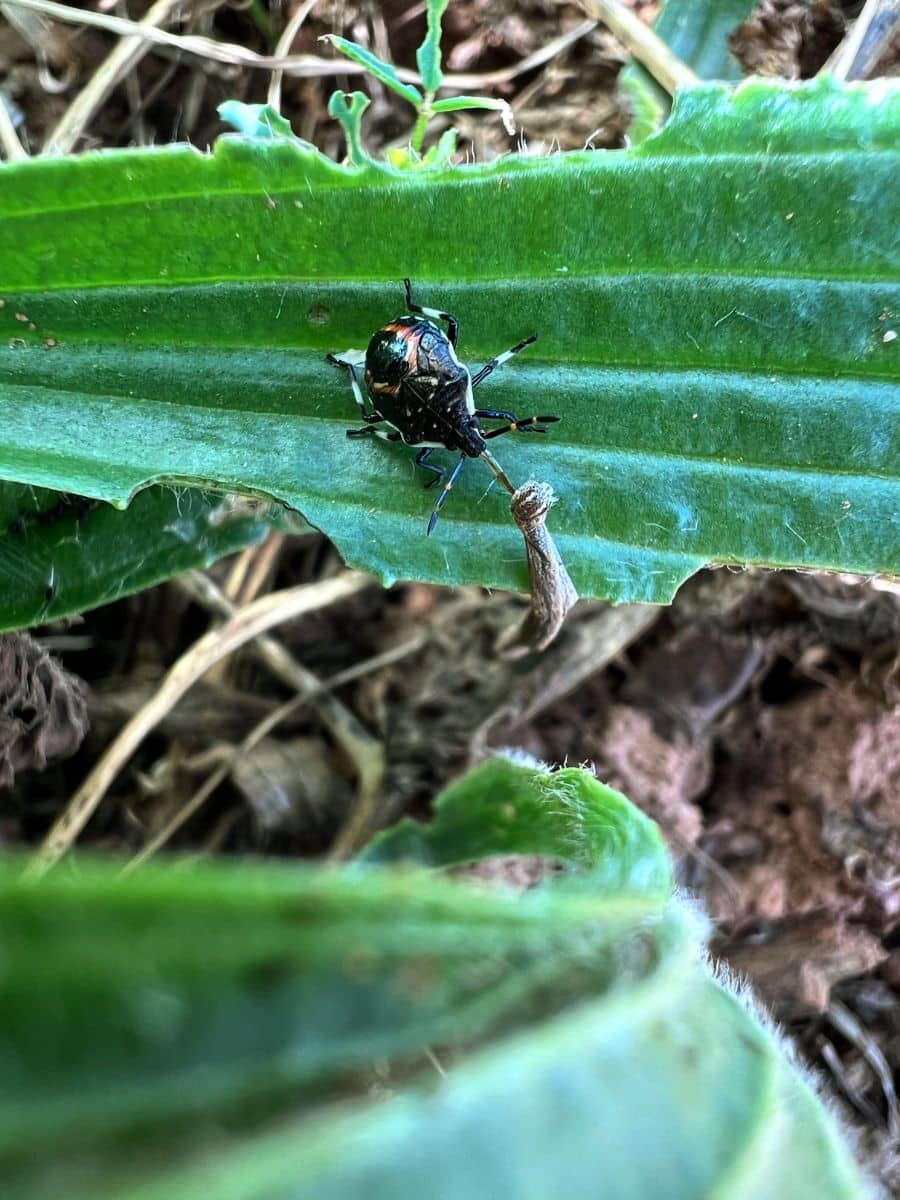
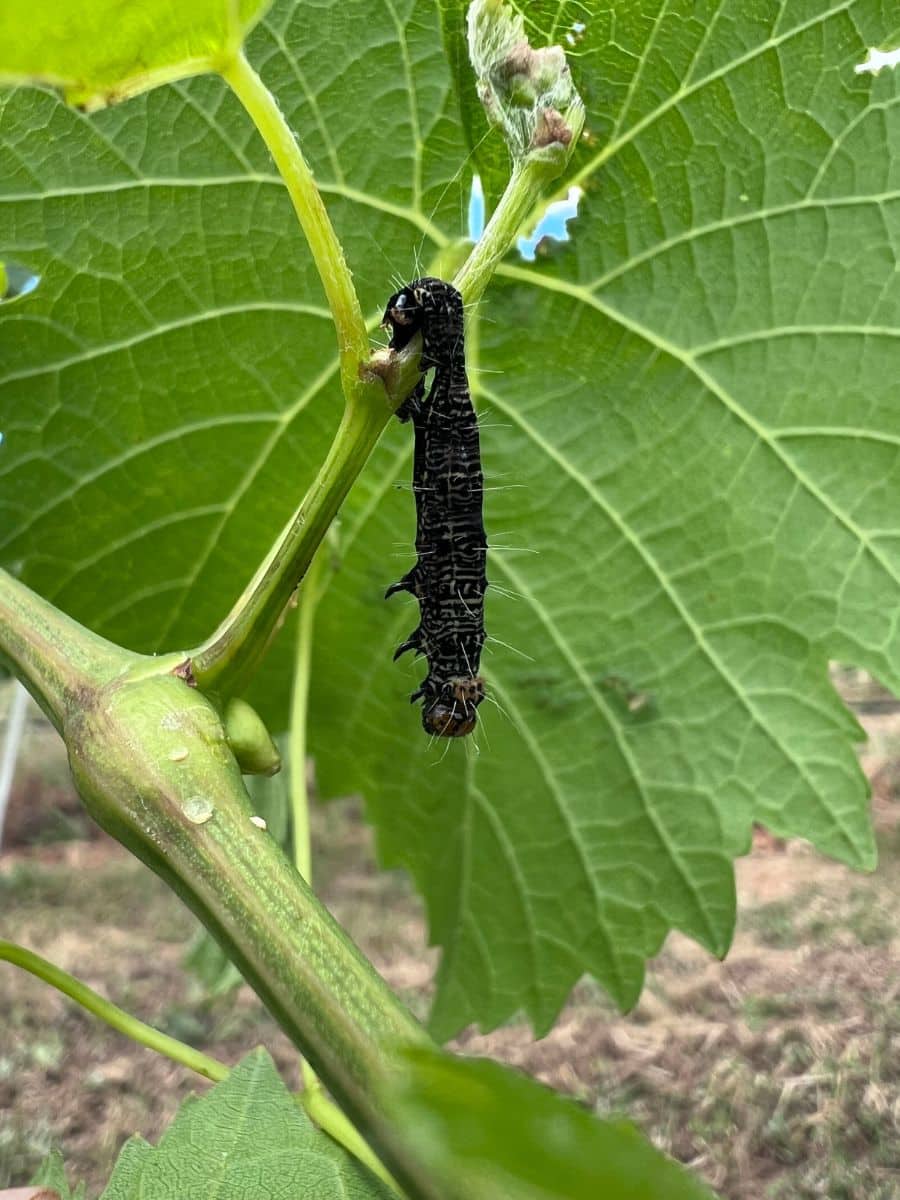
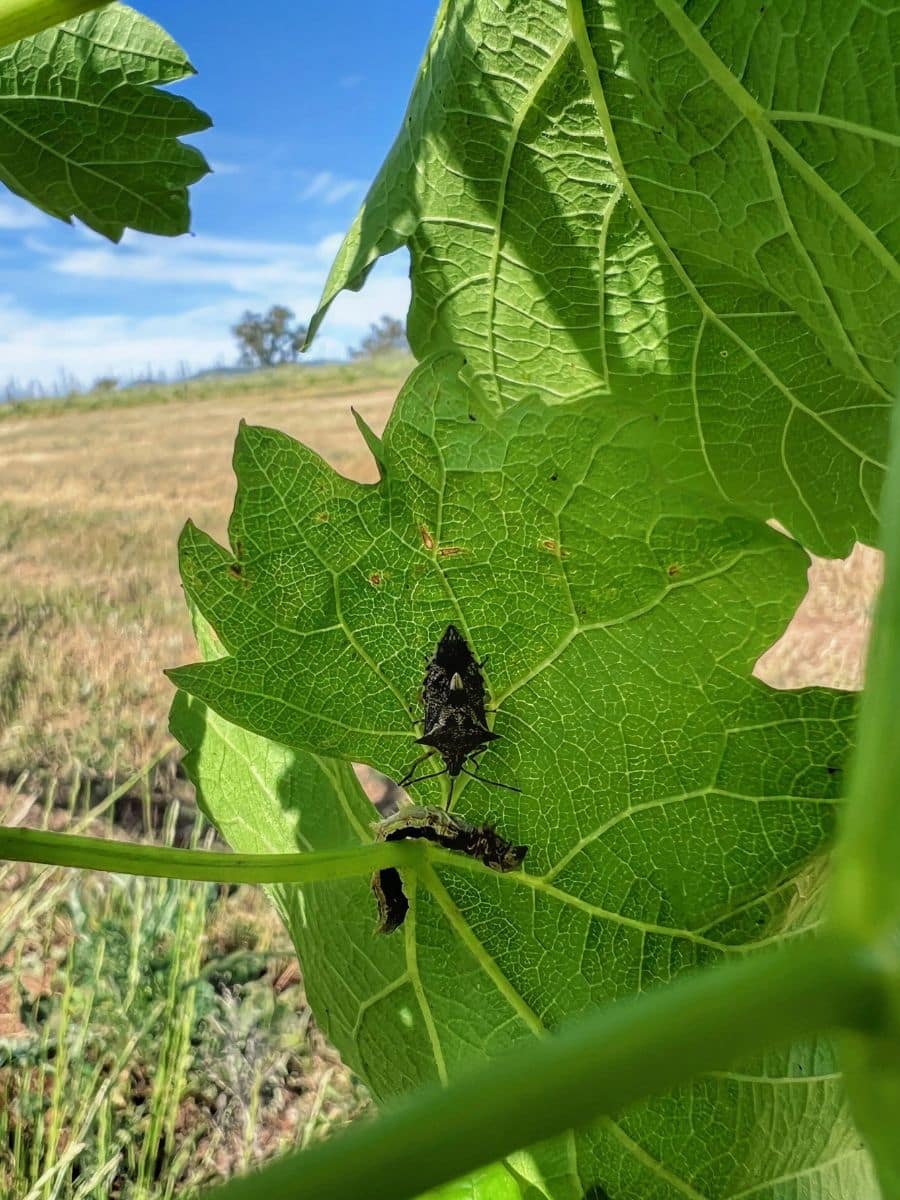
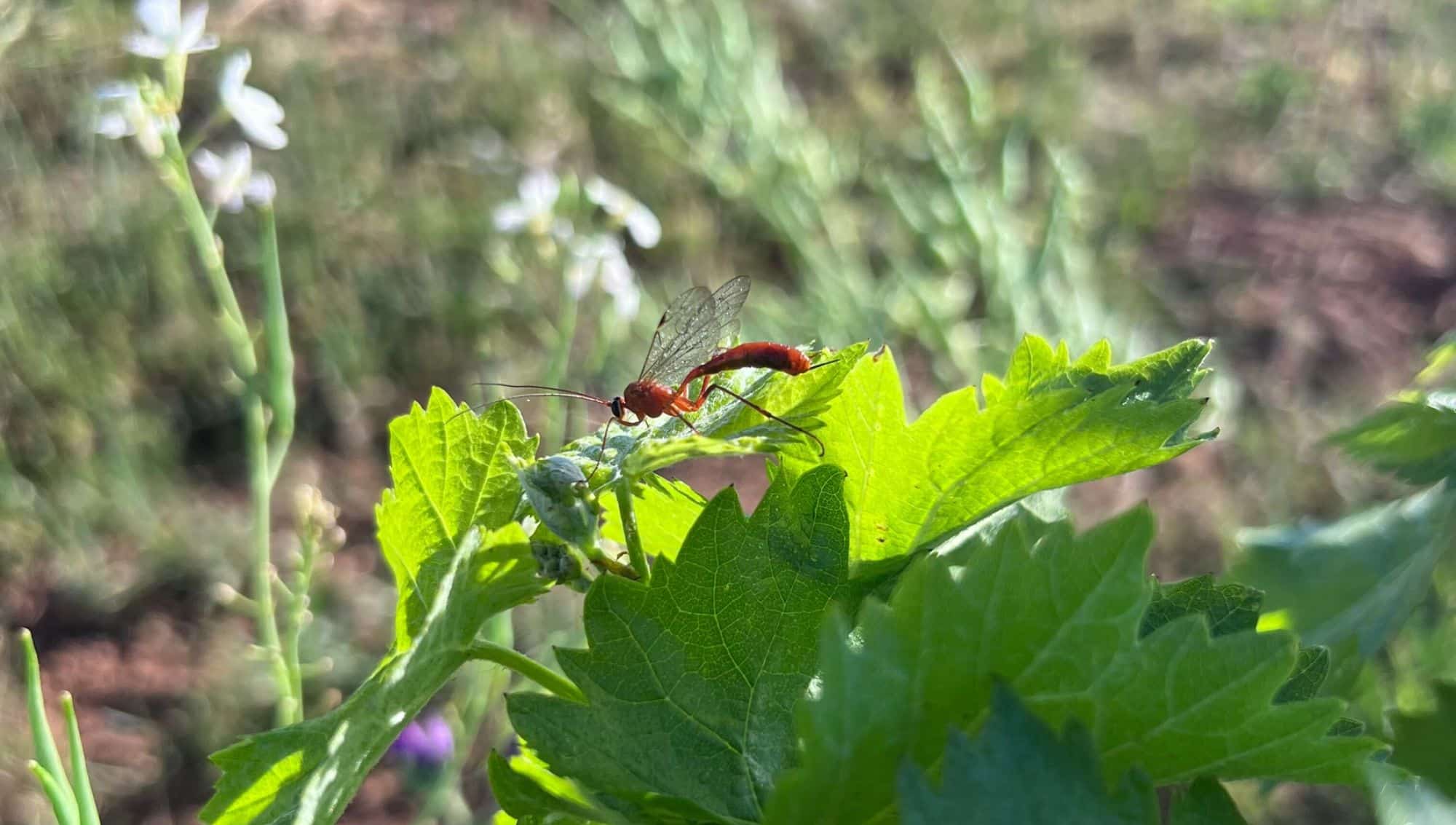
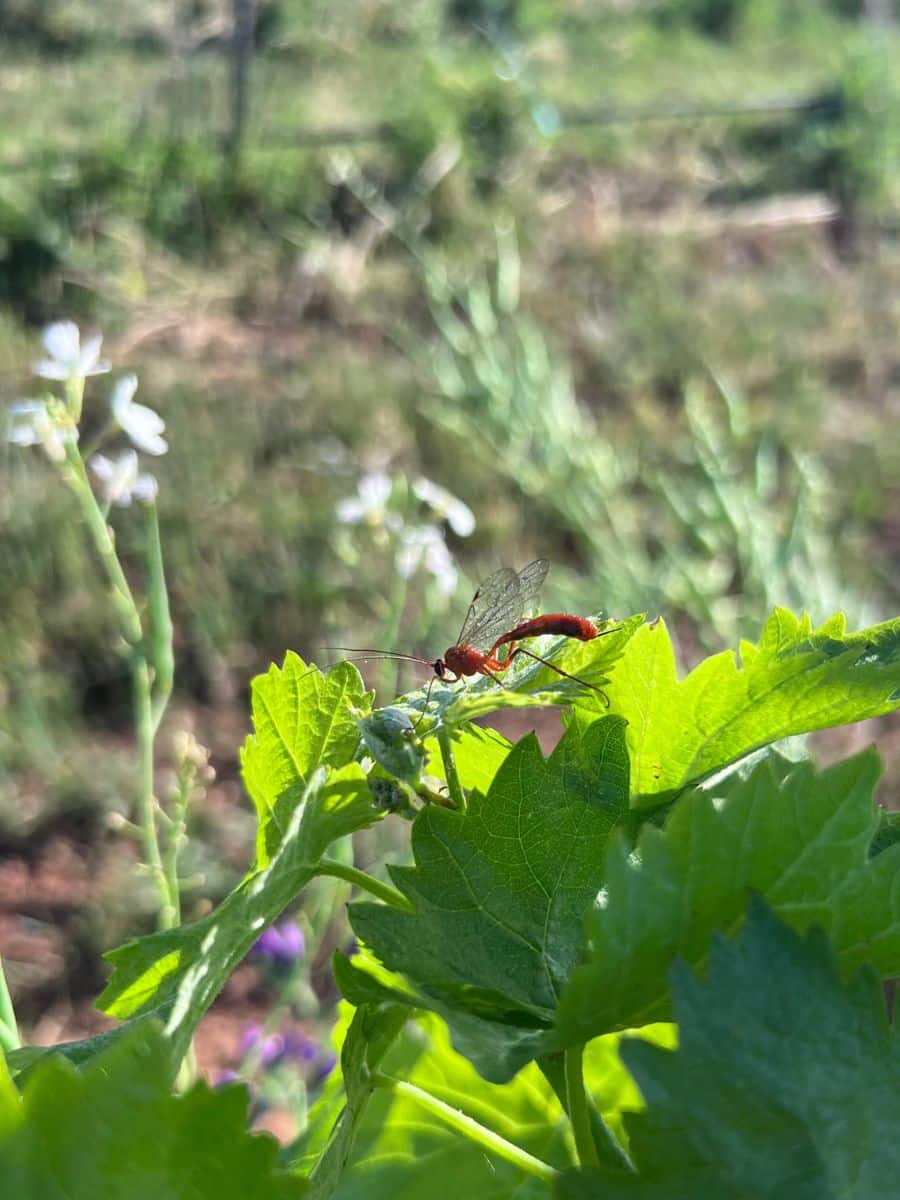
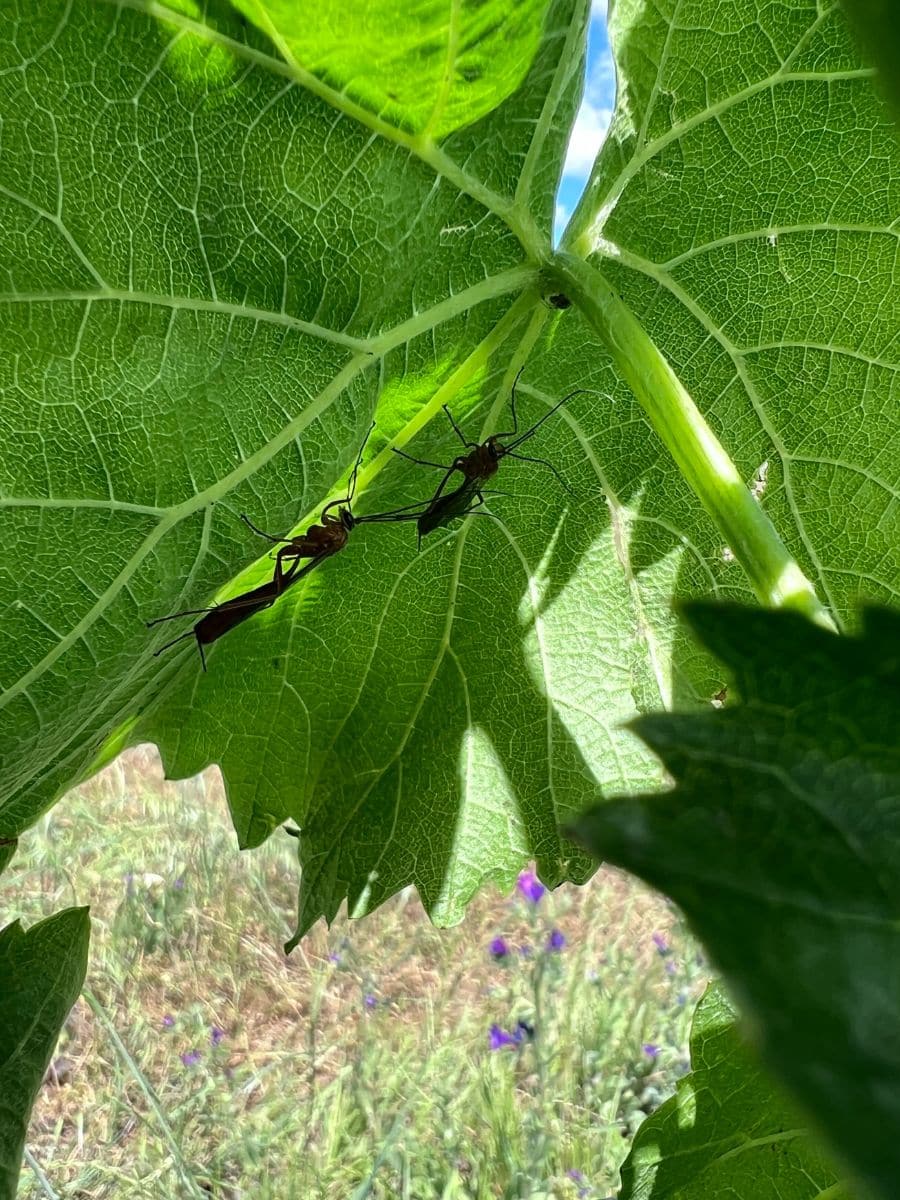
Predatory Wasps (i.e. Orange Caterpillar Wasp): these target caterpillars by paralysing the prey, laying eggs just behind the head, then once the egg hatches, the larvae eats the caterpillar from the inside.
Low(e) impact practices on Tinja
Although close monitoring of the vineyards is necessary when working with biological control to ensure that damage is not passing the threshold, our team is finding great outcomes from this natural pest control system.
You can read more about some of our other regenerative practices like the importance of soil health & biodiversity and the benefits of rotational grazing in agriculture by following the links.
Or come out to Lowe for a chat (and glass of wine)! We love sharing what we do.